


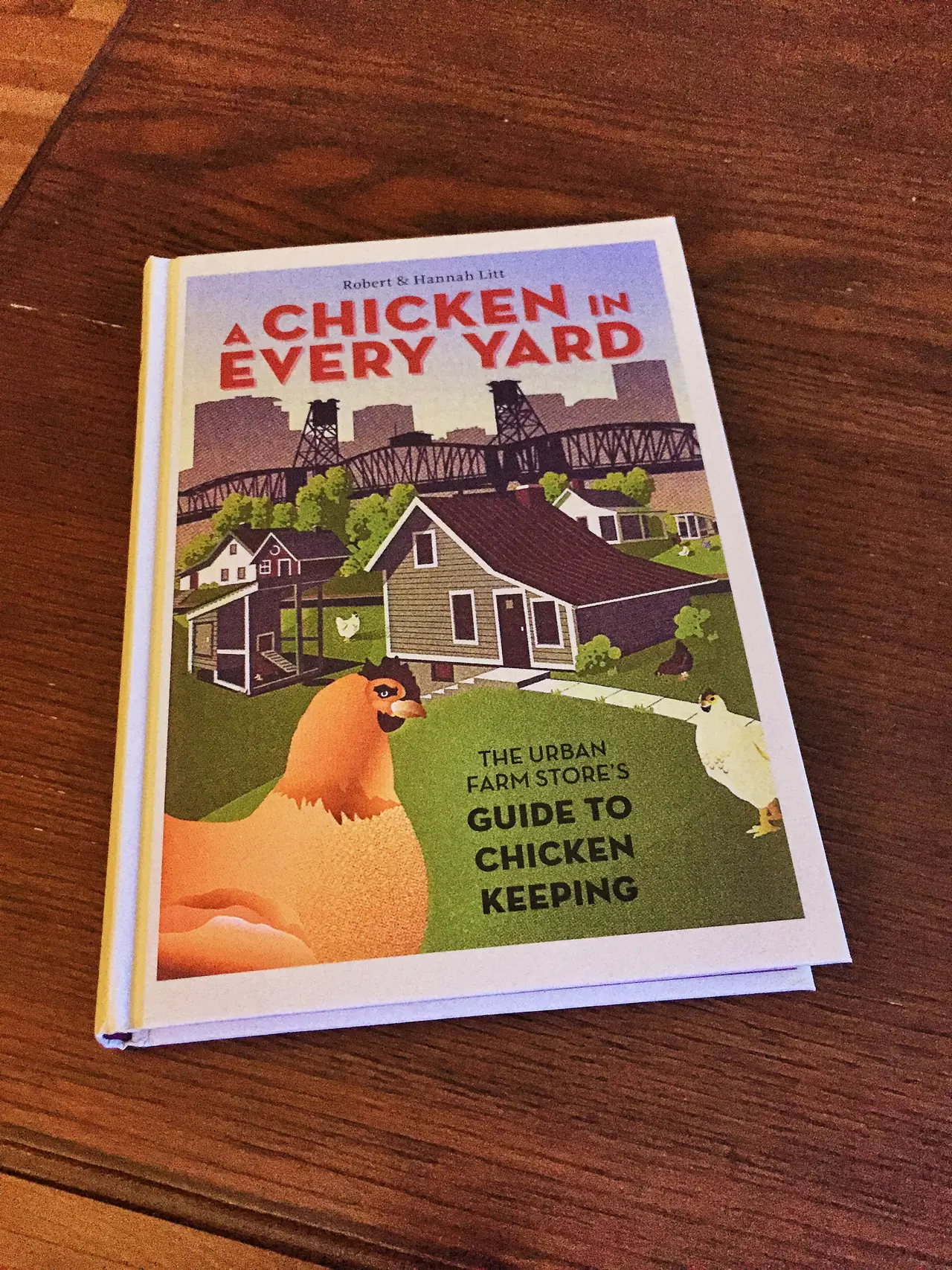
Robert and Hannah Litt’s A Chicken in Every Yard is an inviting starting point for imagining a backyard flock. The Portland shop owners wrote about breeds, coops, feeding, and care. A book can help you form the right questions. The answers about your own yard, local rules, and current disease guidance come next.
Find out what your address allows
Before choosing birds, check your city or county’s current poultry rules and any lease or neighborhood restrictions. Ask about permits, flock limits, coop placement, and roosters. Rules vary even between neighboring towns; the University of Minnesota Extension recommends checking them before setting up a flock. If the answer is yes, sketch the space you could actually give the birds.
Plan the coop and the ordinary Tuesday
A coop needs shelter, ventilation, places to roost and lay, and protection from predators. Minnesota Extension gives a starting point of at least 3 to 5 square feet of indoor space per bird and one nest box for every 4 to 5 hens; its housing guide also describes daily feeding, fresh water, egg collection, and regular cleaning. Work out where feed will stay dry, how you will secure the birds at night, and who will care for them when you travel. Draw that routine before buying chicks or a coop.
Make health part of the plan
Chickens can carry germs even when they look well. The CDC’s backyard poultry guide advises washing hands after handling birds, eggs, or equipment; keeping coop supplies outdoors; and collecting and refrigerating eggs carefully. For the flock, USDA’s biosecurity basics explain how clean footwear, protected feed, and less contact with wild birds can reduce disease risks. Keep a poultry-savvy veterinarian’s contact information with your plan, and check current guidance before bringing birds home.
Try the idea before taking it home
Borrow or read the Litts’ book, then talk with a local extension office or an experienced keeper about your climate and setup. Price the coop, run, feed, bedding, and care while you are away. If the daily work still appeals to you, you will be starting with a place ready for the birds. If you would rather simply spend more time around birds, learning the ones already on your street is a different way to begin.
I hope this finds you well,
Scott