Choose a place where you can stay
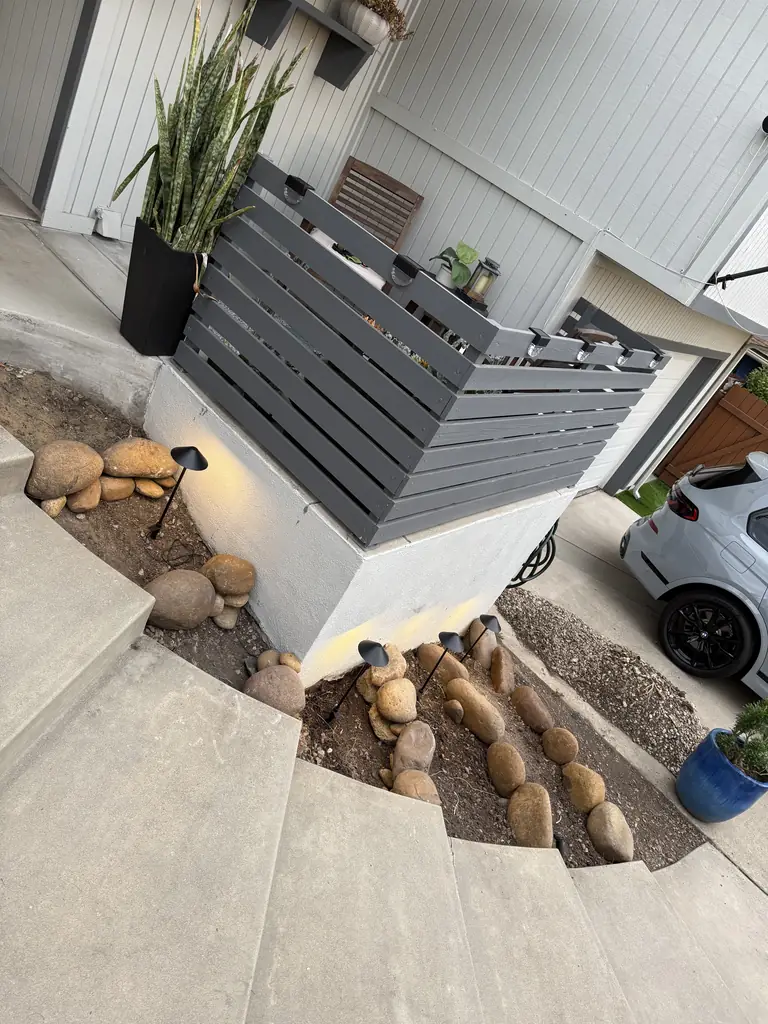
Bring a pencil and a blank page. Find a bench, doorstep, balcony, or window where you can pause without blocking anyone's way. Remain aware of traffic and the people around you. You can keep your eyes open throughout; listening does not require shutting out the rest of the place.
Write the date, approximate time, and weather at the top of the page. Draw a mark in the center for yourself and add a landmark to orient the drawing. It need not be a street plan with measured distances.
Give each sound a place
The National Park Service's Exploring Sounds activity suggests marking your position on a page and drawing the sounds around you during a brief listening period. The original is an educational activity for children; the same basic exercise is a useful starting point for an adult notebook.
Listen for a few minutes before adding details. Put a word, symbol, or sketch roughly where each sound seems to come from. A line can follow a passing vehicle. Repeated marks can stand for a continuing rustle. Use a question mark when you cannot identify the source or direction.
You are recording your impression, not measuring sound levels. There is no need to identify every bird or explain a distant machine. Note “short repeated call” or “low hum” and keep listening. Leave private conversations out of the record; there is no need to make an audio recording.
Look at what filled the page
Notice which sounds continued and which interrupted. Did something nearby mask a sound farther away? Did a sound seem to move? Circle a detail you would like to listen for again. You might compare sounds from people, animals, weather, and machinery without deciding that the page should contain only pleasant ones.
If the place feels overwhelming, shorten the exercise or move to a more comfortable spot. A window can provide a different balance of indoor and outdoor sounds. Start with what is available to you rather than searching for a perfectly silent setting.
Make a version that suits your senses
If you hear a limited range of sounds, map those you can distinguish and leave the rest open. If listening is not useful for you, make a parallel observation map of movement, light, or vibrations you notice from a secure seated position. Label it accordingly so it remains a record of your own experience.
Where to start
Use the Park Service's linked exercise for the basic method, then keep your page in a field notebook. Return to the same place at a different time and compare the records. A familiar view may stay much the same while the activity around it changes.
I hope this finds you well,
Scott