Look at the work you have
Clear enough space to spread out the project without taking it apart. Bring its instructions, remaining materials, and a piece of paper. Note where you stopped and what the next step would be. If you cannot remember, finding your place can be today's entire task.
Then ask what is keeping it in the bag. Perhaps the technique is awkward, the finished size no longer appeals, or you simply want to spend your time elsewhere. Write the practical answer rather than a judgment about being someone who never finishes things.
Choose a finish you would use
A rectangular blanket worked in rows might become a throw or a scarf if its width and fabric suit that use. An assortment of quilt blocks might become a wall hanging. A half-filled sketchbook can remain a record of a particular season. Hold or lay out the work where it would be used and check its dimensions before deciding.
These are design possibilities, not interchangeable finishing instructions. A fitted garment, a shaped crochet piece, and a quilt each have construction requirements. Return to the original pattern or ask an experienced maker how to reach a stable stopping point. Do not cut fabric or unravel rows just to make the decision feel official.
Set a boundary for the next session
Write a revised plan with an observable end: finish the current repeat, join the blocks already made, or mount the drawing as it is. List any materials actually missing. Try one short session before buying them. If you still dislike the work, that is useful information about the revised plan.
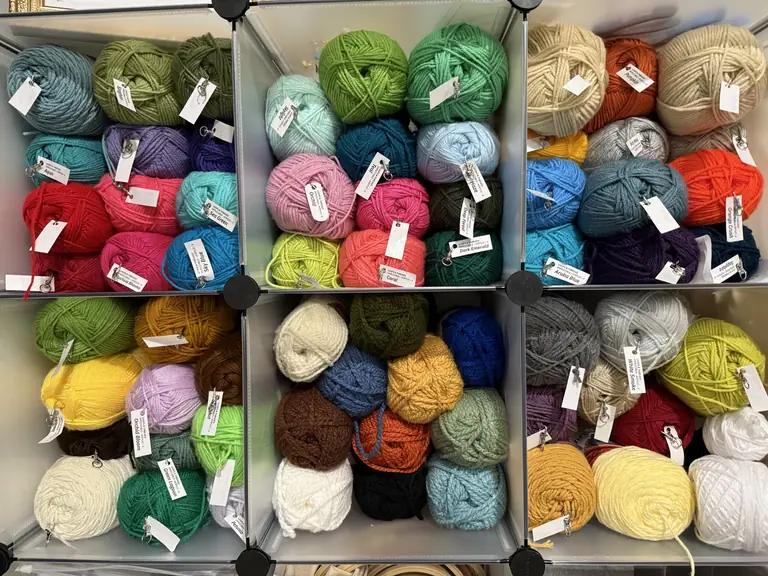
For a yarn project, keep the label with the piece. Follow its care instructions when finishing or washing; the Craft Yarn Council care-symbol guide can help you read the symbols. Different fibers need different treatment, so a universal wash-and-stretch instruction would not serve every project.
If changing it does not help
You can put it away deliberately, with a note about where you stopped. You can also offer usable materials to someone who wants them, including the pattern source and an honest account of what remains. Ask before leaving an unfinished project with another person or a donation group.
If the work belongs to a difficult period or someone you miss, there is no need to decide its future during this exercise. Photograph it, label the bag, and leave the question open.
Where to start
Choose the project easiest to spread out and understand. Write down its current state and a finish that would interest you now. If you would rather explore a different craft, read Try a hobby before you decide who you are. The point of looking again is to make a considered choice about the work and your time.
I hope this finds you well,
Scott