
Summer at Sandy Beach
Some of my best summer memories are from Sandy Beach in Maine. We caught white perch and yellow sunfish, and we fished for eels off the far end.
One time we stored our sunfish in an old refrigerator. It wasn't plugged in. You can imagine how that smelled a few days later.
The fish, the water, and the mistakes all stayed with me. You can begin with a much simpler plan for the afternoon, and a working cooler if you intend to bring anything home.
Choose the water before the tackle
Look for legal public access, stable footing, and room to cast clear of other people. Check the license, season, species, hook, bait, and catch rules for that exact water. Start with Maine's official fishing information if you are in Maine; elsewhere use your own fisheries agency. The eel fishing belongs to my memory, not a promise about what you can target today.
Ask about a suitable beginner spot for sunfish or perch, and choose an outing with a comfortable way to sit or stand. Check the weather and leave if conditions become unsafe.
Keep the kit understandable
Maine's beginner advice for fishing with kids recommends simple spincasting tackle, a bobber, and suitable live bait for a first outing. An adult beginner can use the same modest approach.
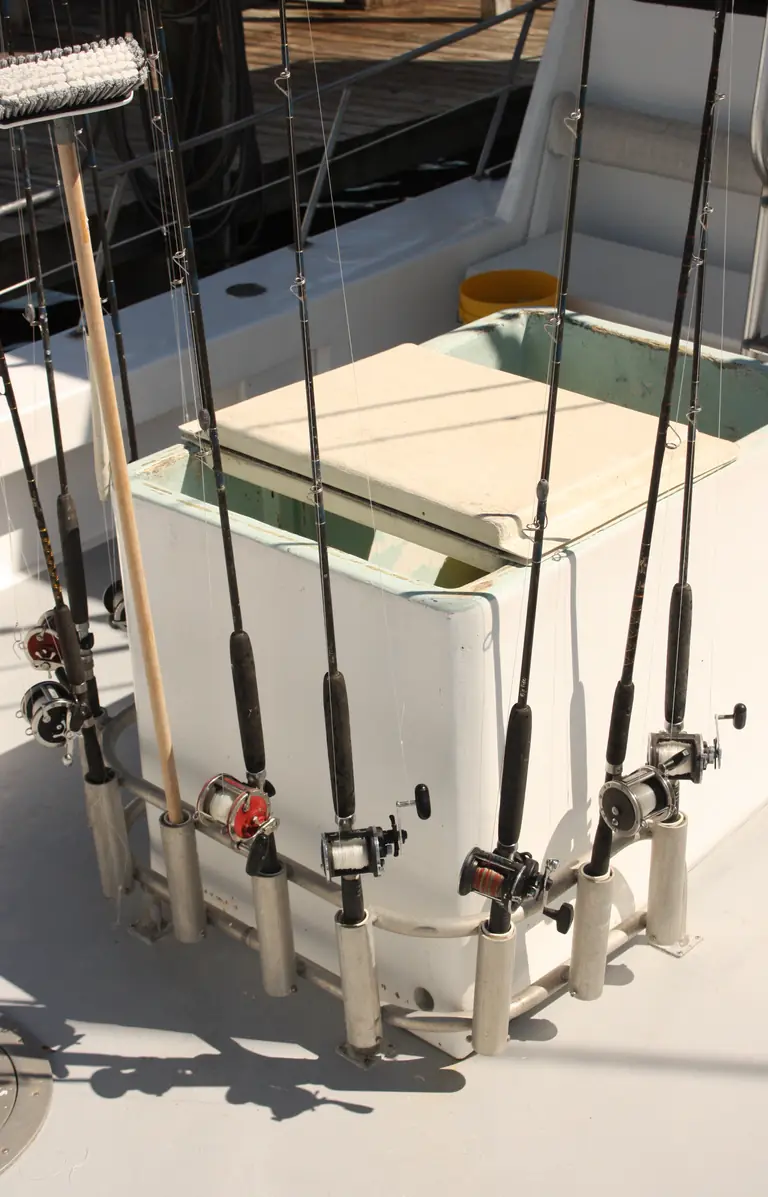
Bring a working rod and reel, line, a hook sized for the fish, a bobber, any needed non-lead weight, and worms where that bait is permitted. Add small pliers, a way to carry discarded line and hooks, drinking water, and a suitable life jacket. Borrowing a kit or attending a fisheries lesson can help you find out what you enjoy before buying more.
Watch what the bobber tells you
Learn the rig and a simple casting method before settling in. Place the bait at a depth suited to the spot, keeping it clear of snags, and adjust if nothing is happening. A local instructor can show you how to attach the hook, set the bobber, and respond to a bite without sweeping a hook through the people beside you.
With children, begin with room to practice and a trip short enough to enjoy. Keep an adult's attention on them near water and keep everyone outside the casting arc.
Decide what happens to a fish
Read Maine's keeping and releasing guidance before the first catch. For release, wet your hands, handle the fish gently, keep it in the water as much as possible, and have pliers ready. Avoid dry towels and dragging fish onto the bank. Follow the agency's instructions for a deeply hooked fish.
If you plan to keep fish, check the local consumption advisories as well as harvest rules. Follow Maine's advice for bringing home a catch for humane dispatch, prompt cleaning, and rapid chilling with ice. An unplugged refrigerator is only a box.
Stay close to the shore you can manage
When I was 3, I jumped off a small boat and ended up crouched on the bottom, underwater. My brother Steve reached in and pulled me out.
Choose a properly fitted life jacket for the person and activity, following US Coast Guard life-jacket guidance. A jacket goes with attentive supervision, especially for children; it does not replace it. Shore fishing can give you a full afternoon without adding a boat to the plan.
Give the afternoon a place
Find one suitable pond, check its current rules, and ask for help with the first rig if you need it. Then sit back, watch the bobber and let the afternoon go by. If you would rather leave the tackle at home, take a notebook and notice what else is moving around the water.
I hope this finds you well,
Scott